Wildflowers of the Yorkshire Dales Through Your Lens
Step into a landscape where drystone walls cradle hay meadows and limestone pavements shelter delicate blooms. Here we explore photographing Yorkshire Dales wildflowers with clear guidance on the best locations, seasons, and techniques, shaped by field-tested experience, respectful practices, and stories gathered at sunrise along winding lanes near Muker, Malham, and Ingleborough. Bring curiosity, patience, and a heart ready for gentle color.

Where Petals Meet Stone: A Photographer’s Map of Place

From the buttercup seas of Swaledale to the sculpted pavements above Malham, the Dales reward careful wandering and unhurried seeing. This guide points you toward accessible paths, scenic vantage points, and subtle microhabitats where wildflowers thrive in sheltering grikes, damp flushes, and sunlit meadows. Expect changing skies, inquisitive sheep, occasional drizzle, and moments when the light opens like a door.

Timing the Bloom: Seasons, Weather, and Living Light
Wildflowers here heed altitude, moisture, grazing, and hay-cut cycles. Spring whispers with fresh greens and the first orchids, while high-summer meadows surge into layered color before farmers cut. Mornings bring calm air and dew; evenings offer warm, skimming light. Cloud can be a priceless diffuser for detail-rich close-ups. Build your calendar around these rhythms and welcome fickle weather—it often gifts the most memorable photographs.

Macro with Patience: Focus, Background, and Breath

Choose a focal length around 90–105mm for comfortable working distance. Angle backgrounds into soft color fields, not cluttered wall stones, unless texture is your subject. Use a diffuser to calm glare, and stack focus only when stillness allows. Time breaths with lulls in the wind, shelter the stem gently without bending it, and prioritize a single expressive plane when movement persists. Intimacy, not technical bravado, creates resonance.

Environmental Portraits: Flowers in Their Wider Home

Go low with a 20–35mm lens, placing a strong bloom inches from the front element while aligning barns, walls, and valley sweep behind. Stop down enough for context yet protect your foreground crispness. Use leading lines from tracks or wall angles. Tilt the camera to energize diagonals only when it strengthens the narrative. Let sky texture speak, and keep horizons tidy. These frames connect botany, geology, weather, and work.

Wind, Rain, and the Art of Waiting

Carry a small clamp and a flexible windbreak, using them sparingly and harmlessly. Embrace higher ISO to secure shutter speed when gusts rise. After showers, look for pearled droplets translating light into tiny lanterns. Keep a microfiber cloth ready, lens hood on, and curiosity awake. Breaks in cloud often deliver luminous moments. Learn the valley’s breathing pattern, then step when it exhales calm, giving your composition the stillness it deserves.
Respect the Meadow: Craft, Care, and Community
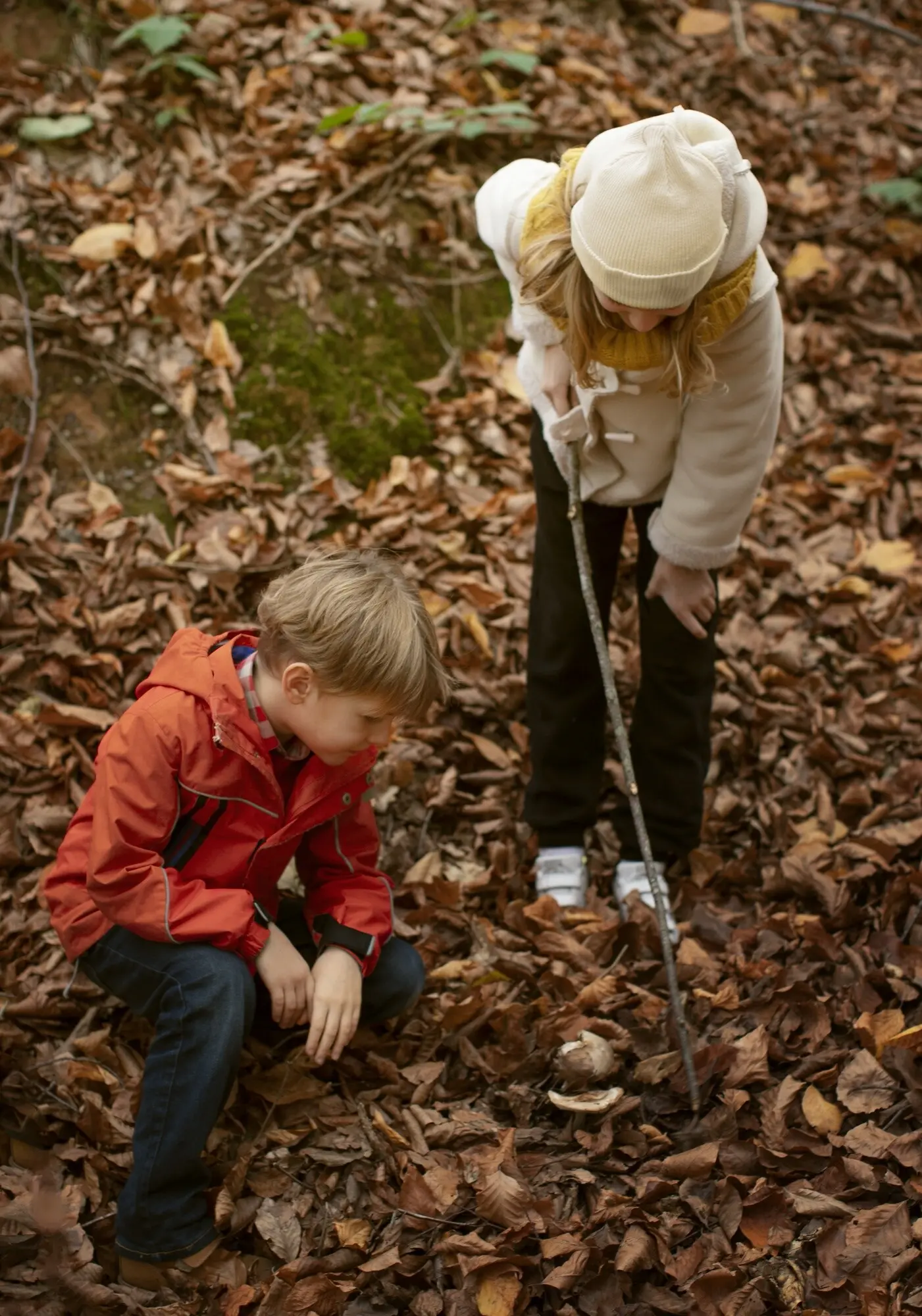
These landscapes are living workplaces and delicate habitats. Footsteps matter. So does gratitude. Keep to paths through hay fields, close gates, and pause if livestock or landwork requires space. Let photographs celebrate stewardship, not just spectacle. The most meaningful images honor cycles of tending, cutting, and reseeding, acknowledging the quiet agreements between farmers, weather, visitors, and wildflowers that keep this valley mosaic vibrant for future wanderers and patient lenses.

Lines, Layers, and Musical Repetition
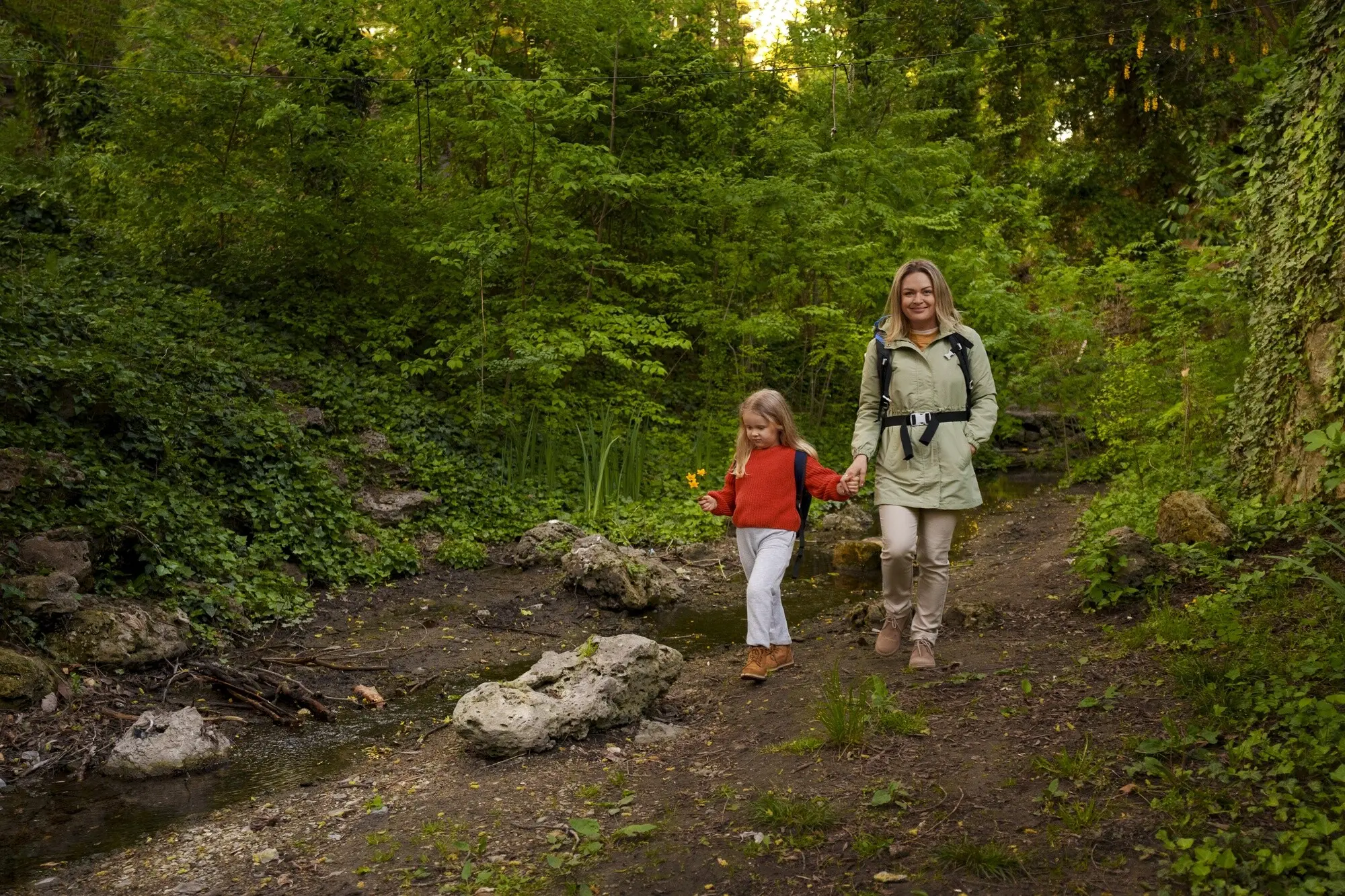
From terraced walls to layered meadows, repeating forms help structure complex scenes. Place a single bloom where rhythms shift—near a gate post, wall corner, or barn edge. Let lines travel toward cloud breaks, inviting viewers onward. Avoid overfilling the frame; give space for rest. In close-ups, repeat curves and angles across petals, stems, and background shapes so that the whole image hums with quiet, steady cadence.

Backlight, Translucence, and Gentle Flare
Low sun turns petals to stained glass. Shield the lens with a hand or hood to tame veiling flare, but keep a trace of glow if it enriches mood. Meter carefully to hold highlights on white petals. A polarizer helps with glare on leaves yet can deaden sparkle—dial it lightly. Seek dew, seed filaments, and tiny hairs along stems; each catches light like a chorus, singing of air and morning.

Color Harmonies and Intentional Contrast

Pair complementary hues—yellow buttercups against blue distance, magenta clover near green walls—to create vitality. Subdue saturation in post so mood, not pigment, leads. When scenes feel crowded, reduce the palette by choosing quieter companions. Let one accent carry the conversation. Use shade to calm backgrounds and a touch of sun to spotlight character. Thoughtful color turns descriptive records into tender portraits anchored in place and season.

Field Craft and Kit that Travel Light

Good decisions weigh less than heavy bags. Choose tools that serve agility: a dependable wide-angle, a modest macro, a stable but compact tripod, and weather protection. A knee pad, soft brush, and microfiber cloth solve real problems fast. Apps for sunrise, wind, and rainfall help you anticipate calm minutes. Keep snacks, water, and spare socks close. Practical kindness to yourself fuels patient seeing and better photographs.

Editing with Heart and Sharing with Care

Color, Contrast, and Petal Detail

Keep whites clean and believable, especially on daisies. Use subtle contrast to reveal vein texture without crunching edges. Calibrate color to avoid neon greens that misrepresent meadow tone. Local dodging shapes light on key blooms, while vignettes can guide attention gently. Ask what you felt in the field, then adjust until the image breathes that same quiet breath again, honoring nuance over spectacle throughout the final rendering.

Blending Stacks and Panoramas the Calm Way

Keep whites clean and believable, especially on daisies. Use subtle contrast to reveal vein texture without crunching edges. Calibrate color to avoid neon greens that misrepresent meadow tone. Local dodging shapes light on key blooms, while vignettes can guide attention gently. Ask what you felt in the field, then adjust until the image breathes that same quiet breath again, honoring nuance over spectacle throughout the final rendering.

Community, Feedback, and Ongoing Journeys

Keep whites clean and believable, especially on daisies. Use subtle contrast to reveal vein texture without crunching edges. Calibrate color to avoid neon greens that misrepresent meadow tone. Local dodging shapes light on key blooms, while vignettes can guide attention gently. Ask what you felt in the field, then adjust until the image breathes that same quiet breath again, honoring nuance over spectacle throughout the final rendering.

Laxilumavarozentotemisanodari
Privacy Overview

This website uses cookies so that we can provide you with the best user experience possible. Cookie information is stored in your browser and performs functions such as recognising you when you return to our website and helping our team to understand which sections of the website you find most interesting and useful.