
Seasonal Wildflower Walks in the Yorkshire Dales

Step onto limestone tracks and meadow paths as we set out for seasonal wildflower walks in the Yorkshire Dales, exploring spring carpets, hay meadow highs, and late-summer limestone gems. Expect practical routes, enchanting identification tips, and heartfelt stories gathered on foot. Share your own finds in the comments, subscribe for fresh itineraries, and join a friendly community that celebrates color, scent, and stewardship from drystone wall to waterfall.

Seasons Unfolding Along Meadow Paths

Across these valleys the calendar is written in petals: primroses and wood anemones brighten April banks, June meadows glow with buttercups and crane’s-bills, and August limestone turf shimmers with thyme and rock-rose. Walking slowly reveals pollinators, scents, and the subtle rhythm farmers call haytime. Use patience, soft steps, and open senses; you will notice how light, wind, and recent rain change color, posture, and perfume within minutes, transforming a familiar path into something newly astonishing.

Routes That Bloom Beneath Limestone Skies

Choose paths that balance spectacle, serenity, and good underfoot confidence. Waymarked loops and classic rights of way weave between barns, hayfields, and moorland edges, revealing new flowers with each bend. We suggest a handful of rewarding circuits suited to changing daylight and weather, with public transport options where possible so you can linger, sketch, photograph, and return without rushing your moments among petals and bees.

Muker Meadows Loop, Swaledale

Start in Muker, follow the permissive paths through the celebrated hay meadows when open, and continue beside the Swale toward Ivelet. Expect boardwalks, stiles, barns, and those astonishing June colors. Go early or late to avoid crowds, greet farmers, keep dogs close, and finish with cake in the village while your notebook dries dotted with buttercup pollen and river spray.

Malham Cove and Watlowes

Set out from Malham, tracing limestone pavement above the Cove into the dry valley of Watlowes, then on toward Gordale Scar if conditions allow. Between clints, pockets shelter thyme, ferns, and occasional orchids. Good boots and care are essential on slick rock after rain. When swifts scream around cliffs, pause to breathe, sketch contours, and notice tough flowers thriving where soil seems absent.

Ingleborough NNR and Scar Close

Explore the Ingleborough National Nature Reserve via the nature trail at Colt Park or the boardwalks approaching Scar Close. Interpretive panels highlight limestone flora without overwhelming the quiet. You will find miniature worlds in shaded grikes, airy slopes rinsed with harebells, and robust turf grazed by sheep. Bring binoculars for butterflies, add layers for sudden wind, and savor that resilient highland hush.

Recognizing Petals, Leaves, and Scents on the Trail

Orchids in Varied Habitats

Look for early purple orchid in spring woodlands, common spotted along damp meadow edges, and northern marsh orchid where water lingers beside sedges. Count leaves, note dapples, and respect fragile roots by keeping boots on paths. Photograph with a hand behind the flower to block wind, then step back so others can enjoy the surprise of color rising from green.

Limestone Specialists and Scented Herbs

Short turf on sunny banks often hosts rock-rose, wild thyme, and fairy flax, their fine details rewarding those who kneel and breathe gently. Rub a fingertip on thyme, inhale, then let bees continue their busy rounds. The flowers seem delicate yet endure grazing, wind, and drought, teaching patient resilience with each tiny corolla that outshines grander blooms through sheer persistence.

Meadow Companions and Quiet Stars

In rich hayfields, meadow crane’s-bill shows bold purple, oxeye daisy paints moons, and yellow rattle helps reduce coarse grasses, improving diversity. Tuck pignut’s feathery leaves into memory, spot bistort candles near damp creases, and appreciate self-heal’s sturdy towers. None shout; together they weave the living tapestry that turns a June walk into a moving classroom humming with subtle, generous lessons.

Path Sense and Meadow-Safe Footsteps

Follow waymarks even when a shortcut tempts, because that softer line may cross rare plants or ground-nesting birds. Muddy sections are invitations to slow down, not to widen paths. Step on rock or bare ground when possible, share stiles with patience, and offer a cheerful hello that sets the tone for everyone behind you to tread kindly as well.

Respect for Farming Rhythms and Gates

Haytime is livelihood and heritage. If a gate is closed, close it after you; if open, leave it open. Stick to edges during cutting or baling, give tractors space, and thank farmers you meet. Leash dogs near livestock even if friendly, and remember that maintaining these meadows through late hay cuts is the reason you are walking through brilliance today.

Support Conservation and Share Responsibly

Donate to local groups like the Yorkshire Dales Millennium Trust or book guided walks with community organizations that reinvest in meadows. When posting photos, tag general locations rather than fragile spots, encourage path use, and praise good etiquette. Sharing practical details—bus stops, gates, muddy corners—helps others prepare well, reducing wear while increasing joy, knowledge, and sustained support for these living museums of color.

Photograph, Sketch, Remember: Capturing Fleeting Color

Wildflower color changes by the hour with breeze, cloud, and sun angle. Gentle technique preserves both plants and memories: step back, use longer lenses, and balance shots with notes, sketches, and sounds. We offer field-tested ideas that respect habitats while helping you return home with images, pages, and sensory anchors strong enough to carry you through winter until petals return.

Family-Friendly Strolls, Safety, and Practical Logistics
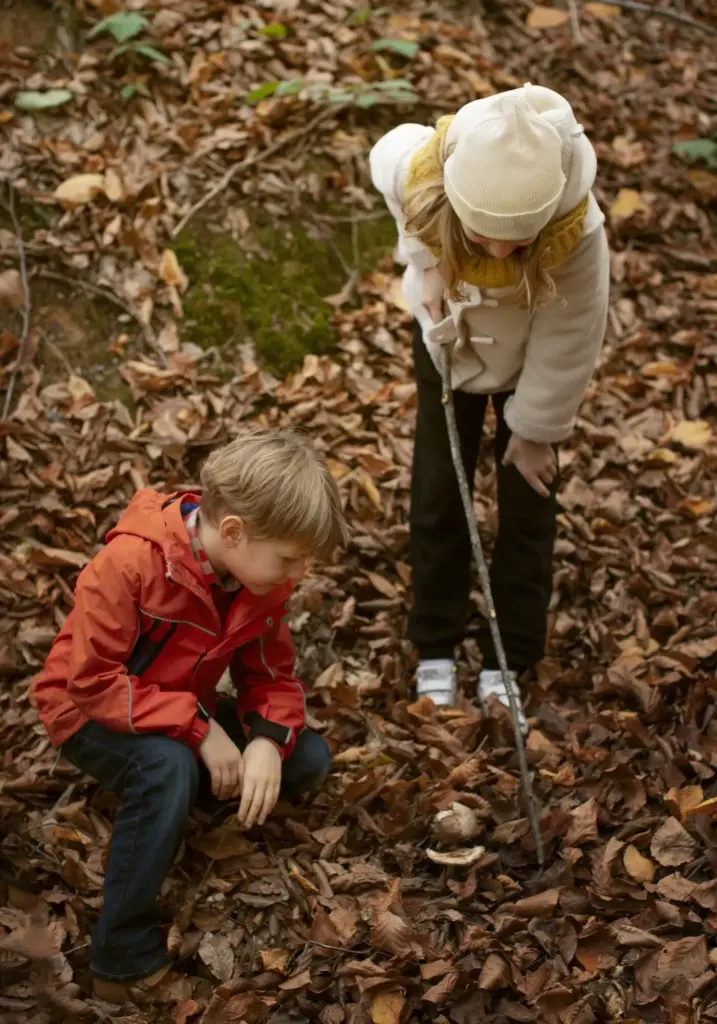
Short distances can hold vast discoveries when paced for conversation and curiosity. Choose loops with cafés, loos, and bus links, carry layers for changeable weather, and pack snacks to linger beside barns. Share simple identification games, set expectations about paths and dogs, and build in time for paddling or pebble sorting. A well-planned day lets every age finish happy, tired, and eager to return.

Stories from Walls and Waters: Voices of the Dales
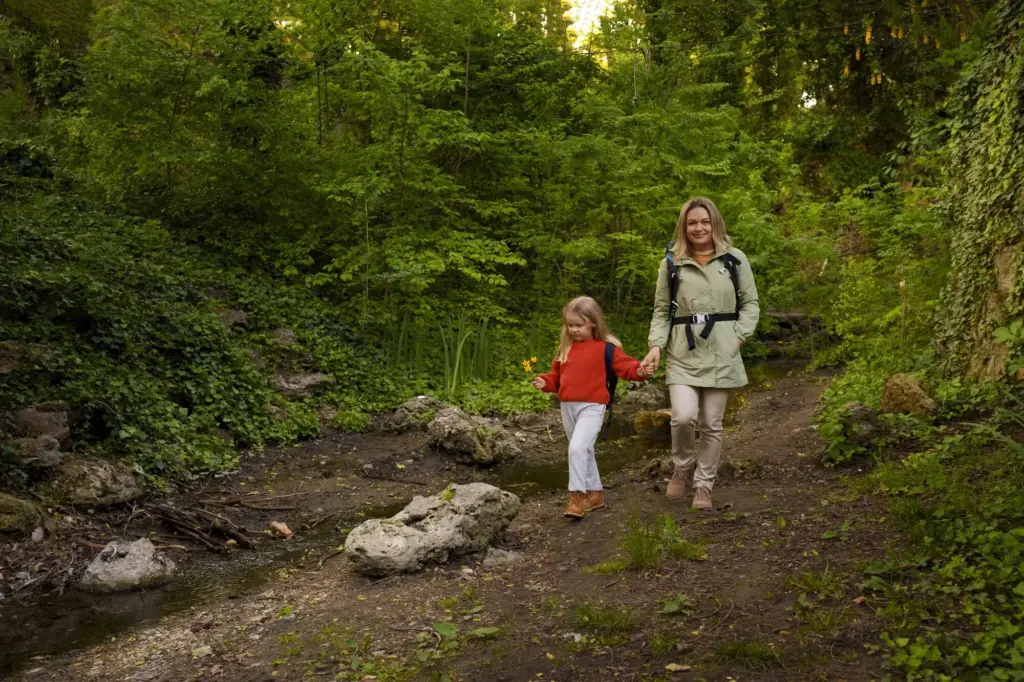
Flowers are companions to people here: farmers timing cuts to skylark fledging, rangers counting orchids in drizzling dawns, and visitors returning year after year to greet the same barn and bend. We gather small stories to deepen your wanderings, inviting your memories too—comment below, subscribe for seasonal updates, and help weave a living archive of petals, paths, and shared kindness.
Laxilumavarozentotemisanodari
Privacy Overview

This website uses cookies so that we can provide you with the best user experience possible. Cookie information is stored in your browser and performs functions such as recognising you when you return to our website and helping our team to understand which sections of the website you find most interesting and useful.