Walk Gently Through Yorkshire Dales’ Living Meadows
Today we explore protecting Yorkshire Dales meadows through responsible wildflower viewing and practical conservation initiatives, celebrating species‑rich grasslands shaped by haymaking traditions. Learn how careful footsteps, local stewardship, and science‑led restoration help curlews, bumblebees, and orchids thrive, while ensuring communities benefit and visitors leave only gratitude and lighter footprints.

Understanding a Fragile Abundance

Timing the Hay, Growing the Diversity

Traditional late July cutting allows flowers to set seed and invertebrates to complete lifecycles, turning fields into seedbanks for future summers. Early, repeated cuts or heavy fertilizer erase subtle mosaics; understanding timing helps visitors appreciate why uncut, seemingly messy fields are treasures, not neglect.

Soil That Stays Lean, Meadows That Stay Rich

Meadows flourish when soils remain unfertilized, letting slower, delicate plants compete fairly and support nectar‑rich edges for bees and beetles. Adding nutrients speeds grasses, smothers color, and shortens flowering. Respect guidelines that keep fields lean, and celebrate restrained farming as skilled craftsmanship, not absence of effort.

A Field Guide for Patient Eyes

Look for meadow crane’s‑bill by dry walls, great burnet in damper hollows, and the golden teeth of yellow rattle near paths. Kneel, breathe, and notice hoverflies hunting midges. Leaving petals unpicked means thousands of future blooms, and photographs alive with moving, pollinating stories.

Walking Lightly Among Wildflowers
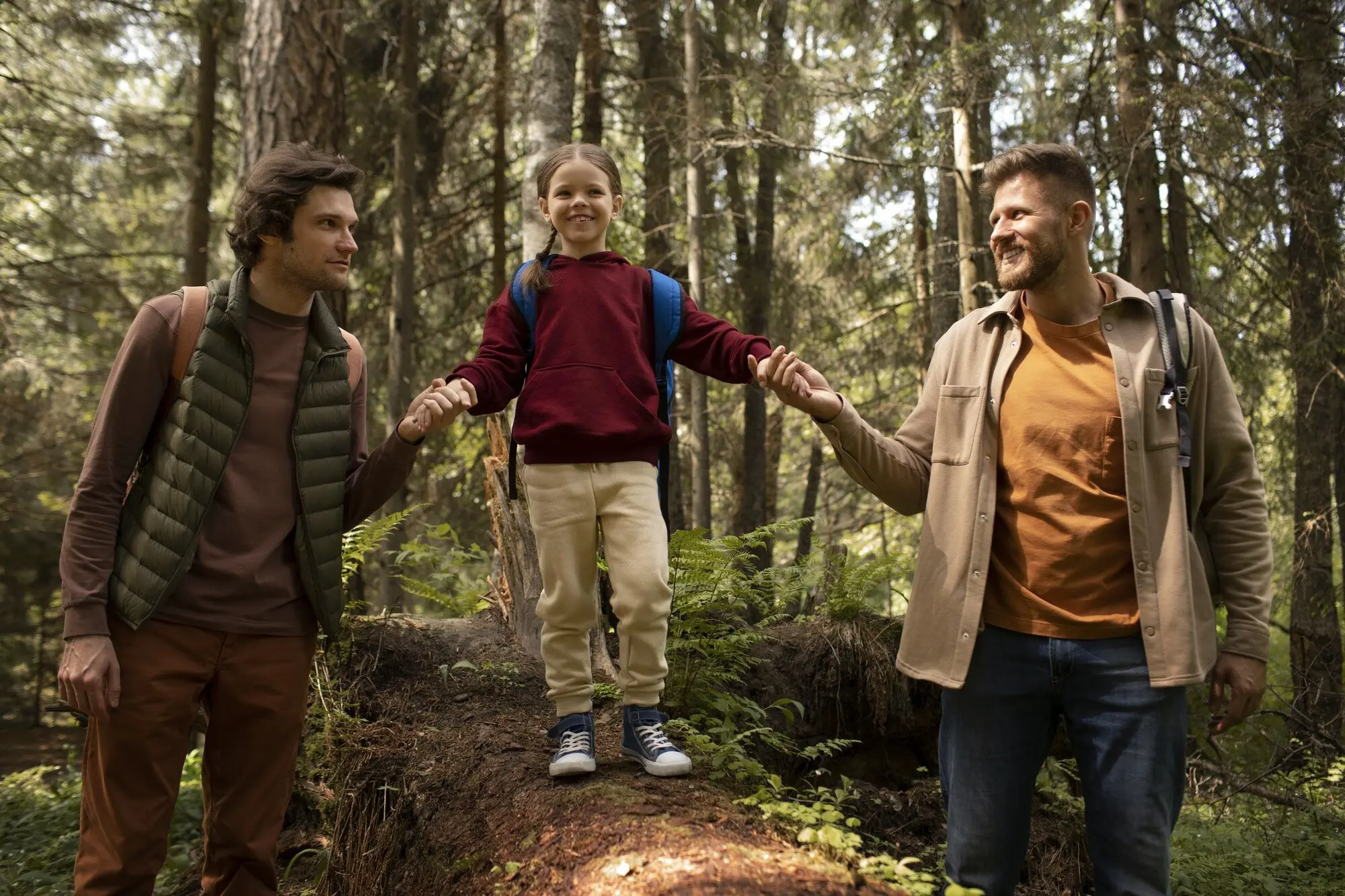
Footfall compacts delicate soils and closes air pockets seeds need. Keeping to field edges, desire paths, and stile routes protects orchids and ant hills while leaving views untouched. Small choices—boot placement, group size, pause points—scale across thousands of visitors into powerful, measurable conservation outcomes.

Farmers, Rangers, and You

These meadows exist because people choose patience across seasons. Farmers delay cutting, avoid fertilizers, and graze lightly; rangers monitor species and repair stiles; visitors respect signs and gates. When we shop locally, donate, and say thank you, stewardship strengthens and habitats weather uncertain, changing climates.

Where Your Pound Travels

Buying Wensleydale, farm eggs, and meadow‑friendly beef supports contracts that keep late hay dates and wildflower margins viable. Every transaction echoes across fields, helping replace lost income from earlier cutting, rewarding careful grazing, and sustaining families who carry forward knowledge that science now measures and celebrates.

Agri‑Environment Agreements in Action

Countryside Stewardship and similar schemes pay for low inputs, hedgerows, and wildflower restoration. These agreements work when people notice results and back them publicly. Share your experiences, tag projects online, and write supportive feedback to park authorities so funding continues where flowers, insects, and livelihoods genuinely benefit.

Kind Encounters at Gates and Walls

Close gates, lift dogs over stiles where possible, and offer a wave to tractor drivers waiting as you pass. Quick kindness builds trust, making it easier for landowners to welcome paths, fund signage, and host guided walks that turn cautious curiosity into confident, caring participation.

Seeds of Renewal and Community Science

Across the Dales, restoration blends old skills and new tools. The Hay Time approach spreads green hay or brush‑harvested seed from donor meadows onto prepared fields, while volunteers map species, log bumblebees, and monitor cutting dates. Transparent data empowers communities, farmers, and visitors to collaborate.

Seasons of Color and Quiet

Late May to mid‑July glows with orchids, cranesbills, and burnets, yet each month offers different riches. Spring brings skylark song; autumn reveals seedheads for finches; winter rests soil and paths. Plan visits around weather, ground conditions, and land access notices to keep beauty thriving.

When Meadows Peak

Depending on altitude and aspect, displays crest from late June in sheltered valleys to mid‑July on breezier plateaus. Check ranger updates and community posts before traveling. If hay lies cut, celebrate the cycle anyway, noticing regrowth, seed scatter, and refreshed pathways ready for autumn wanderers.

Weather Wisdom for Bloom Days

After light rain, colors intensify and pollinators shelter low, inviting gentle observation from paths. Heatwaves stress flowers and livestock; choose cooler hours and carry water. Windy days challenge photography but reveal grass waves like oceans, reminding us that patience and adaptability are essential field skills.

Access, Signs, and Courtesy

Respect yellow hay signs, fenced restoration plots, and permissive path notices. If a gate says no entry, the field might hold ground‑nesting birds or late seed set. Choosing an alternative route preserves trust and ensures future welcomes, guides, and stiles remain open to all.
A Farmer’s July Decision
The forecast promised rain, yet Peter waited, letting seed ripen under pewter skies. When sun returned, the field hummed with bees. His patience cost a weekend’s market, but winter hay fed cattle better, and summer brought donors funding another acre of restoration nearby.

A Child’s First Wildflower Journal

On a borrowed clipboard, tiny drawings of daisies, burnet, and a mysterious pink spire filled the page. Back home, they asked to sponsor a square of meadow. Weeks later, returning along the path, they spotted orchids blooming where careful feet had paused last visit.

Join the Meadow Guardians

Subscribe and Share Wisely

Sign up for meadow news, ranger notes, and flowering forecasts, then amplify messages that encourage care. When posting locations, protect sensitive spots by keeping exact coordinates vague. Celebrating beauty while safeguarding detail helps habitats flourish and keeps welcome mats out for engaged, thoughtful visitors.
Volunteer for Restoration Days

Sign up for meadow news, ranger notes, and flowering forecasts, then amplify messages that encourage care. When posting locations, protect sensitive spots by keeping exact coordinates vague. Celebrating beauty while safeguarding detail helps habitats flourish and keeps welcome mats out for engaged, thoughtful visitors.

Donate Where It Counts

Sign up for meadow news, ranger notes, and flowering forecasts, then amplify messages that encourage care. When posting locations, protect sensitive spots by keeping exact coordinates vague. Celebrating beauty while safeguarding detail helps habitats flourish and keeps welcome mats out for engaged, thoughtful visitors.

Laxilumavarozentotemisanodari
Privacy Overview

This website uses cookies so that we can provide you with the best user experience possible. Cookie information is stored in your browser and performs functions such as recognising you when you return to our website and helping our team to understand which sections of the website you find most interesting and useful.