
Wildflowers of the Yorkshire Dales Through Your Lens
Where Petals Meet Stone: A Photographer’s Map of Place
Timing the Bloom: Seasons, Weather, and Living Light
Macro with Patience: Focus, Background, and Breath
Choose a focal length around 90–105mm for comfortable working distance. Angle backgrounds into soft color fields, not cluttered wall stones, unless texture is your subject. Use a diffuser to calm glare, and stack focus only when stillness allows. Time breaths with lulls in the wind, shelter the stem gently without bending it, and prioritize a single expressive plane when movement persists. Intimacy, not technical bravado, creates resonance.
Environmental Portraits: Flowers in Their Wider Home
Go low with a 20–35mm lens, placing a strong bloom inches from the front element while aligning barns, walls, and valley sweep behind. Stop down enough for context yet protect your foreground crispness. Use leading lines from tracks or wall angles. Tilt the camera to energize diagonals only when it strengthens the narrative. Let sky texture speak, and keep horizons tidy. These frames connect botany, geology, weather, and work.
Wind, Rain, and the Art of Waiting
Carry a small clamp and a flexible windbreak, using them sparingly and harmlessly. Embrace higher ISO to secure shutter speed when gusts rise. After showers, look for pearled droplets translating light into tiny lanterns. Keep a microfiber cloth ready, lens hood on, and curiosity awake. Breaks in cloud often deliver luminous moments. Learn the valley’s breathing pattern, then step when it exhales calm, giving your composition the stillness it deserves.
Respect the Meadow: Craft, Care, and Community
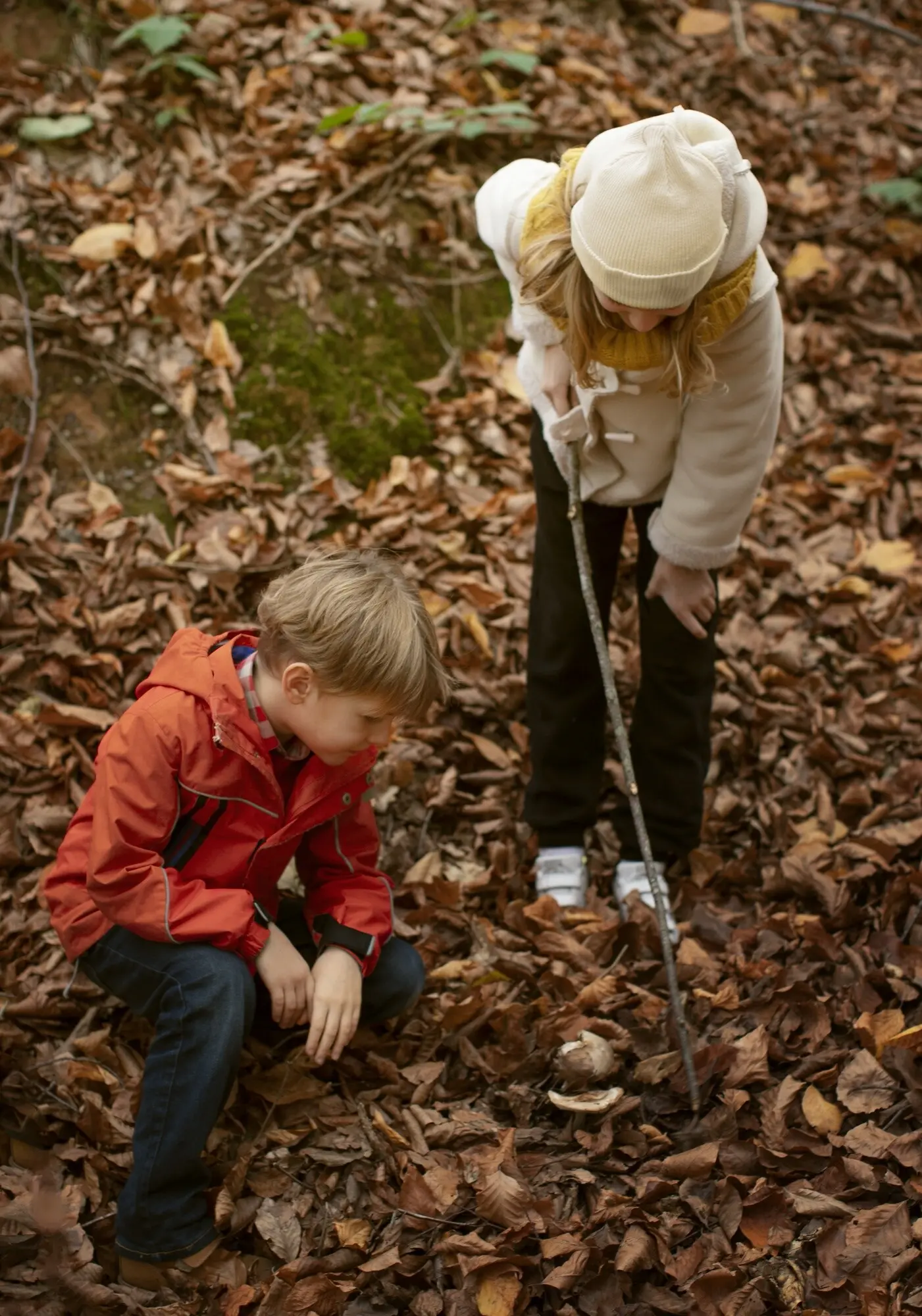
Lines, Layers, and Musical Repetition
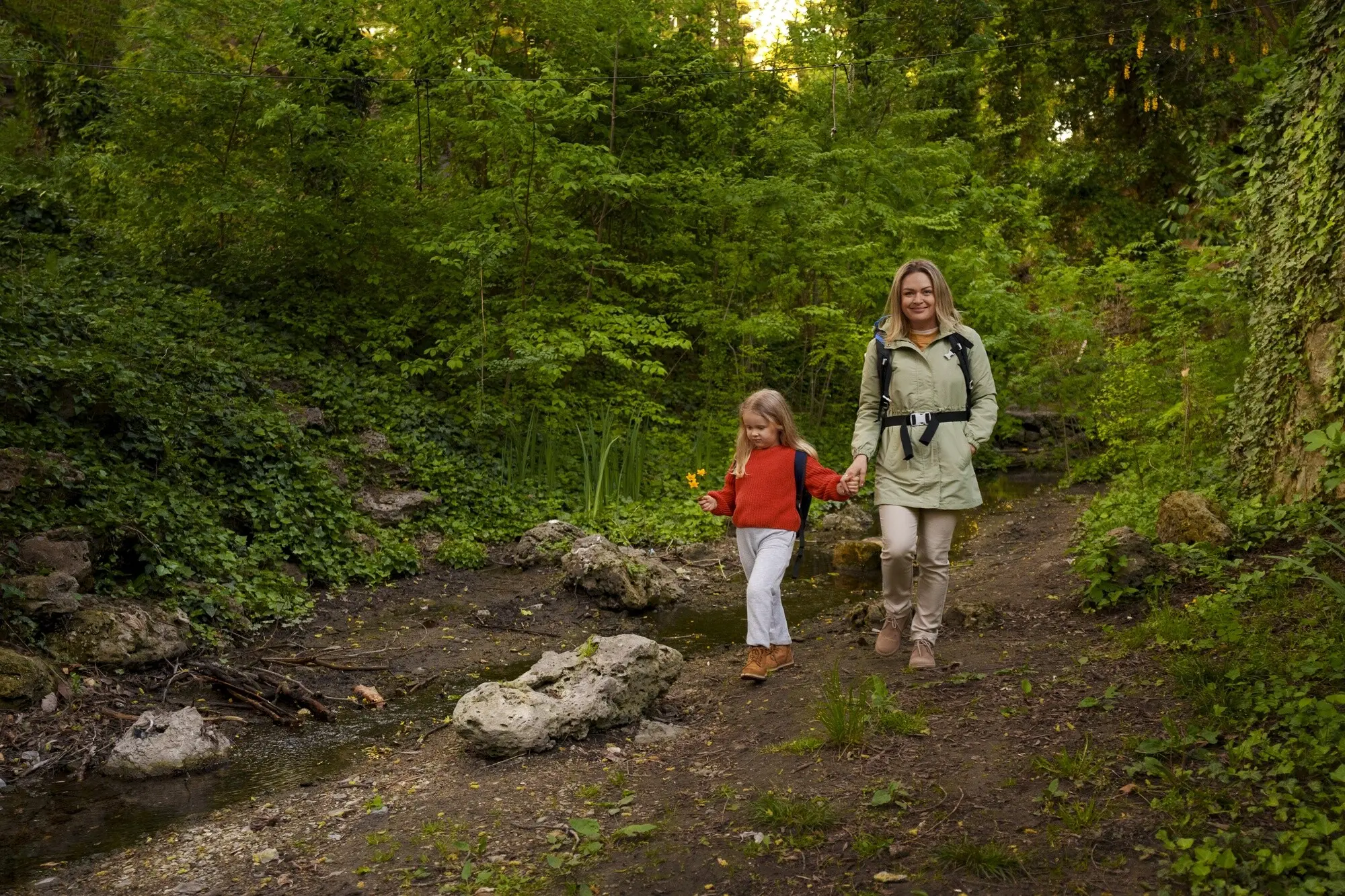
Backlight, Translucence, and Gentle Flare
Color Harmonies and Intentional Contrast
Field Craft and Kit that Travel Light
Editing with Heart and Sharing with Care

Color, Contrast, and Petal Detail
Keep whites clean and believable, especially on daisies. Use subtle contrast to reveal vein texture without crunching edges. Calibrate color to avoid neon greens that misrepresent meadow tone. Local dodging shapes light on key blooms, while vignettes can guide attention gently. Ask what you felt in the field, then adjust until the image breathes that same quiet breath again, honoring nuance over spectacle throughout the final rendering.
Blending Stacks and Panoramas the Calm Way
Keep whites clean and believable, especially on daisies. Use subtle contrast to reveal vein texture without crunching edges. Calibrate color to avoid neon greens that misrepresent meadow tone. Local dodging shapes light on key blooms, while vignettes can guide attention gently. Ask what you felt in the field, then adjust until the image breathes that same quiet breath again, honoring nuance over spectacle throughout the final rendering.
Community, Feedback, and Ongoing Journeys
Keep whites clean and believable, especially on daisies. Use subtle contrast to reveal vein texture without crunching edges. Calibrate color to avoid neon greens that misrepresent meadow tone. Local dodging shapes light on key blooms, while vignettes can guide attention gently. Ask what you felt in the field, then adjust until the image breathes that same quiet breath again, honoring nuance over spectacle throughout the final rendering.
All Rights Reserved.